

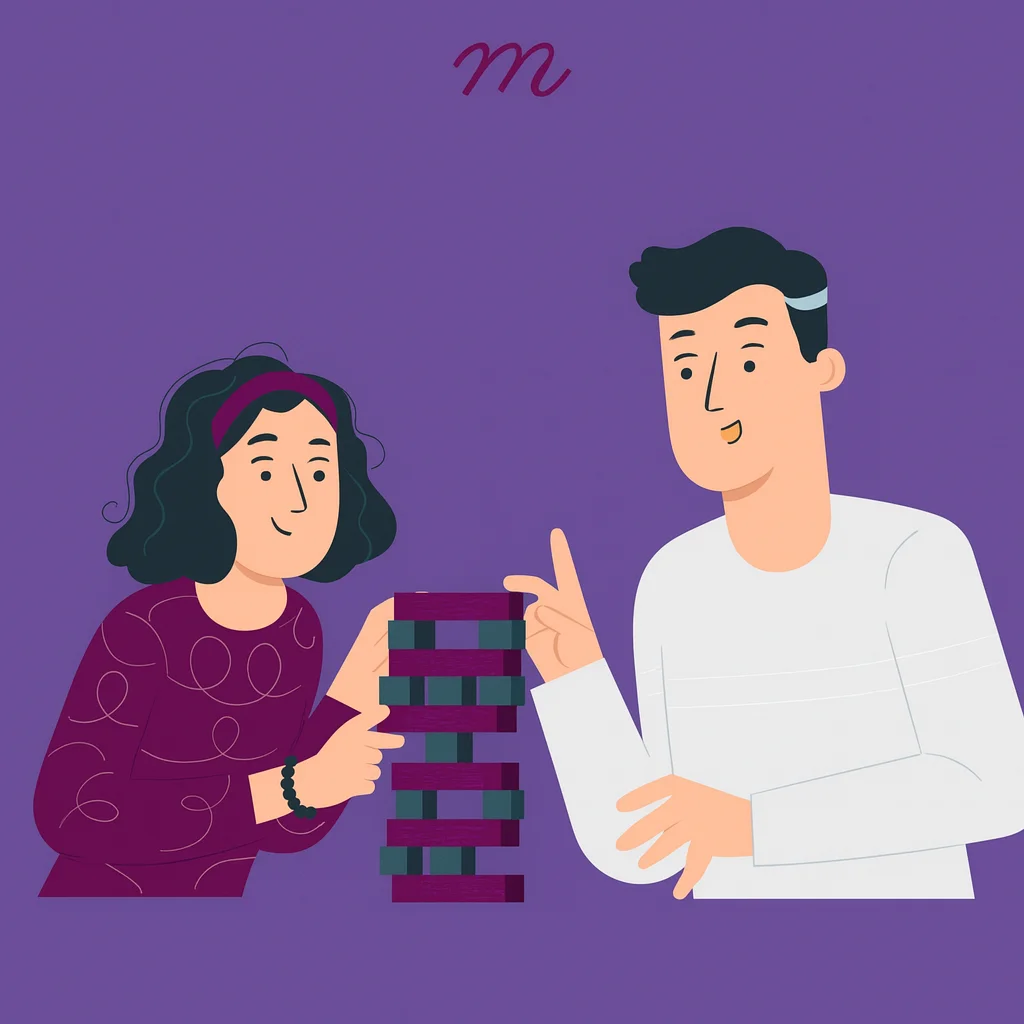
Therapy activities for adults are practical, experiential exercises that let clients practice skills, process emotions, and turn insight into action rather than only talking through it. The most effective ones are chosen by the client’s goal and readiness: thought journaling and exposure for anxious thinking, grounding and relaxation for stress, role-play for relationship goals, and movement-based work for clients who connect through the body. This guide organizes ready-to-use activities by therapeutic approach, tags each with the modality it comes from, explains the evidence behind why they work, and includes a free downloadable cheat sheet you can keep at your desk.
While conversation forms the backbone of therapy, purposeful activities deepen engagement, help clients practice skills between sessions, and give you a clearer read on how clients think, feel, and behave outside the room. The activities below are starting points. The art is tailoring them to the person in front of you.
Download the free Therapy Activities by Goal cheat sheet (PDF)
Early in my own practice I learned that the activity matters less than the framing around it. A client who understands why you are reaching for the markers or the role-play will lean in. A client who does not will read it as a gimmick. So every activity below assumes the same wrapper: name the goal, give a short rationale, run it, then debrief.
Automated treatment plans that reflect your approach

If you also track how clients respond to these activities across sessions, Mentalyc’s AI Progress Tracker that surfaces themes and outcomes across sessions can turn those observations into a documented picture of change over time.
Cognitive Behavioral Therapy (CBT) activities
CBT activities help clients recognize and change negative thought patterns and behaviors. The hands-on nature of these exercises makes cognitive and emotional shifts feel more attainable.
- Thought journaling (CBT). Clients record triggering events, the thoughts that followed, and their emotional responses. Reviewing the journal together surfaces recurring patterns like catastrophizing or overgeneralization, which you can then help the client challenge.
- Exposure activities (CBT). Gradual exposure to feared situations is a cornerstone of CBT for anxiety disorders. A client who fears public speaking might rehearse a speech alone, then deliver it to one trusted person, then to a small group.
- Imagery-based techniques (CBT). Visualizing a positive outcome or recalling a comforting memory helps clients counteract intrusive thoughts and manage acute stress.
Mindfulness and relaxation activities
Mindfulness activities build present-moment awareness, and relaxation techniques calm the body, together creating a foundation for emotional balance. They are especially useful for clients dealing with anxiety, depression, or trauma.
- Gratitude journaling (Positive psychology). Ask clients to write down three things they are grateful for each day. Over time this shifts attention toward the positive and supports overall well-being.
- Five senses grounding (Mindfulness). Have the client name one thing they can see, one they can touch, one they can hear, one they can smell, and one they can taste. It anchors them in the present during anxiety spikes.
- Progressive muscle relaxation (Relaxation training). Guide the client through tensing and releasing muscle groups in sequence to relieve physical tension and build body awareness.
Art and creative therapy activities
Art activities give clients a way to process emotions without relying only on words, and the creative process itself is often where the therapeutic movement happens.
- Mandala coloring (Art therapy). Coloring a mandala promotes focus and calm, which makes it useful for clients who arrive overwhelmed or scattered.
- Emotion masks (Art therapy). Ask clients to make a mask showing how they feel inside versus how they present to the world. It opens honest conversation about authenticity and vulnerability.
- Music (Music therapy). Listening to meaningful songs, building a playlist, or writing lyrics helps clients reach and express emotions they cannot yet name.
Role-playing activities
Role-play lets clients rehearse new behaviors, work through interpersonal challenges, and try on perspectives in a safe space before testing them in real life.
- Conflict-resolution scenarios (Behavioral rehearsal). Practice assertive communication inside a simulated conflict to build confidence and sharpen problem-solving.
- Inner dialogue (Gestalt / IFS). Have the client voice a conversation between parts of themselves, such as the inner critic and the compassionate self.
- Future-self exercise (Narrative). The client imagines and acts out a conversation with their future self, exploring goals, hopes, and fears.
- Rehearsing difficult conversations (IPT / behavioral rehearsal). When distress is tied to a specific relationship, have the client name the relationship and a common trigger, then take turns playing each role. Practicing assertiveness and a calmer script in session prepares the client before they become flustered or shut down in the real exchange.
Relationship and communication activities
Many adult clients arrive with distress rooted in relationships: ongoing conflict, a hard role transition, grief, or trouble forming connection. These activities help clients see how their interactions shape their mood and practice new patterns.
- Communication check-in (IPT / couples). Partners, or the client and an imagined other, take turns expressing thoughts and feelings using “I” statements instead of “you” statements, which lowers defensiveness.
- Interpersonal inventory (IPT). Walk the client through a structured review of their key relationships: communication style, current disputes, recent losses or role changes, and available support. It maps where to focus and connects symptoms to relationship patterns the client may have missed.
- Role-transition reframe (IPT). For a client navigating job loss, a move, or new parenthood, explore the emotional weight of the old role versus the new one and build coping strategies for the transition itself rather than treating the distress as free-floating.
Schema and self-reflection activities
Some clients repeat the same painful patterns in relationships, work, or self-image without seeing the belief underneath. These activities help name the pattern and the coping style that keeps it alive.
- Identify your schemas (Schema therapy). Help the client put words to recurring core beliefs such as “I’m unlovable,” “I always end up rejected,” or “I’m never good enough,” and trace where the belief shows up across their life. Naming it is the first step to loosening it.
- Map modes and coping styles (Schema therapy). Explore how the client copes when a painful belief fires: do they surrender to it, avoid it, or overcompensate? Mapping the moment-to-moment shift helps clients catch themselves earlier and choose a different response.
Physical and movement-based activities
The link between mind and body makes movement a powerful therapeutic tool. Beyond physical benefits, structured movement affects self-esteem, stress regulation, and cognition, and it can run inside a session or be assigned as between-session practice.
Automate Treatment planning with Mentalyc’s AI Treatment Planner
- SMART Goals
- Insurance-ready formatting
- Track goals & outcomes
- HIPAA & PHIPA compliant

- Grounding walks (Somatic). Invite clients on a mindful walk, focusing on the sensation of their feet on the ground and the sights and sounds around them.
- Expressive dance (Dance / movement therapy). Creative movement lets clients convey emotion, release tension and pent-up anger, and explore inner experience nonverbally. It supports mood regulation, body image, and self-esteem.
- Rhythmic shaking (Somatic). The client stands comfortably and gently shakes the hands or feet, gradually letting the movement spread through the body. It releases tension stored in the muscles and restores a sense of grounding.
- Aerobic movement (Exercise therapy). Brisk walking, cycling, or dancing raises the heart rate and benefits both mood and cognition. It works well as a simple, structured between-session assignment for clients with depression or anxiety.
- Mindfulness-based movement (Mindfulness / somatic). Yoga and Tai Chi pair the benefits of mindfulness practice with gentle physical activity.
Using exercise as a clinical intervention
Exercise therapy is the structured use of physical activity to reduce symptoms and improve quality of life for clients with specific mental health conditions. It complements medication and talk therapy rather than replacing them, and it works on two levels.
On the brain side, movement supports neuroplasticity and the hippocampus, a region tied to memory and often affected by depression. It helps regulate serotonin and endorphins, increases blood flow, improves sleep, and lowers cortisol. On the psychological side, movement offers a meditative focus, a healthy outlet for tension, and a sense of accomplishment that counters low self-esteem. Group-based movement adds social connection.
Different conditions respond to different movement goals:
- ADHD. Regular activity improves attention, focus, and impulse control and helps manage restlessness.
- Anxiety. Movement reduces muscle tension, lifts mood, and lowers anxiety.
- Depression. Activity supports new neuron growth in the hippocampus and helps regulate serotonin, improving mood and cognition.
- PTSD. Movement can ease symptoms like nightmares and flashbacks and supports relaxation and emotional control.
- Substance use. Consistent exercise reduces the frequency and intensity of cravings and substitutes for time previously spent using.
Clients with schizophrenia, intellectual disabilities, or bipolar disorder can also benefit from a movement component in their care.
To bring movement into your practice, treat it like any other intervention in three steps:
1. Assess first. Review medical history, current physical state, and any pain or past injuries, alongside a mental health assessment so the plan fits both the client’s physical and clinical needs.
2. Personalize the plan. Specify the type, duration, intensity, and frequency of movement. General guidance suggests 150 minutes of moderate or 75 minutes of vigorous activity per week, but for sedentary or reluctant clients, start small and keep it achievable.
3. Monitor and adjust. Demonstrate movements, reinforce consistency and breathing, and check in regularly. Tools like Mentalyc make it easy to keep track of progress across sessions.
Group therapy activities
Group settings create a dynamic for growth built on collaboration, empathy, and mutual support. A few quick examples: shared affirmations, where members name a strength they see in each other; structured feedback rounds; and team challenges like a collaborative puzzle that reveals group dynamics. Group work has its own deep toolkit, so for in-person and virtual session ideas see our full guide to group therapy activities.

Play therapy activities for children
Children process emotions differently than adults, which makes play a valuable route for younger clients.
- Puppet shows (Play therapy). Children act out feelings or experiences through puppets, giving you a window into their inner world.
- Therapeutic games (Play therapy). Board and card games that teach emotional regulation, such as identifying feelings or practicing patience, make skills concrete.
- Interactive storytelling (Narrative / play therapy). Build a story together where the child is the hero overcoming challenges, which helps them reframe their own struggles.
How to choose and run a therapy activity
Choose and run a therapy activity in four steps that make almost any exercise land:
1. Match the activity to the goal. Start from what the client is working toward, their culture, and their readiness, not from the activity you like. A grounding exercise suits acute anxiety; a schema exercise suits a long-standing pattern.
2. Give a short rationale. Tell the client why this activity and how it connects to their goal before you begin. Clients who understand the purpose engage; clients who do not often disengage.
3. Run it, then debrief. After the activity, discuss what the client noticed and how it applies to daily life. The debrief is where insight consolidates.
4. Stay flexible. Watch how the client responds and adapt in real time. If an activity does not resonate, try a different approach next session.
Tailoring activities to the client
Each client brings a different set of needs, goals, and preferences, and the activity should reflect that. A one-size-fits-all approach undermines engagement, while a well-matched activity resonates. Here is how activities adapt across common situations.
- Adults with workplace stress. Mindful breathing or progressive muscle relaxation helps adults unwind after a demanding day. For more active clients, grounding walks or rhythmic shaking release tension. Journaling about workplace triggers and rehearsing assertiveness through role-play round out the toolkit.
- Children with behavioral challenges. Play-based work keeps therapy engaging and non-threatening. A child struggling with anger might benefit from emotion charades, while sand tray play and storytelling let children externalize and process difficult experiences.
- Adolescents facing social anxiety. Teens often respond to expressive outlets like a collage of their social fears and strengths. Exposure exercises tailored to their comfort level, such as rehearsing how to start a conversation with a peer, build real-world confidence.
- Couples working on communication. A communication check-in using “I” statements improves understanding, role-play lets partners practice navigating conflict, and synchronized breathing fosters connection.
- Groups building cooperation. Icebreakers like two truths and a lie ease members in, collaborative problem-solving tasks promote teamwork, and shared gratitude exercises build mutual respect.
Tailoring activities this way makes them feel relevant and safe, which raises participation and the odds of meaningful change.
Benefits of therapy activities
Therapy activities are more than a break from conversation. They amplify the work in concrete ways.
- Engagement. Activities make therapy more dynamic, especially for clients who struggle to open up in talk-only sessions.
- Skill-building. Practicing assertive communication or stress management prepares clients for real-world use.
- Self-discovery. Activities surface thoughts and emotions clients were not aware of.
- Measurable progress. Tangible outputs, like a completed worksheet or a smoother role-play, give evidence of growth.
- Stronger alliance. Creative, collaborative work makes therapy feel less intimidating and builds trust.
Why therapy activities work
Structured and experiential activities make therapy more effective because they engage clients in doing, not only talking. The research backs this across modalities and ages.
Mindfulness-based activities reduce stress and improve emotional regulation, easing anxiety and depression in adults [1], with similar benefits for children and teens [2]. For children, play therapy creates a safe space to process trauma and build social and emotional skills, with strong meta-analytic support [3]. Experiential approaches such as Gestalt and process-experiential therapy, which use creativity, role-play, and movement, are linked to stronger self-esteem, fewer depressive symptoms, and better relationships [4]. Movement specifically supports mood and cognition, which is why structured physical activity is a recognized adjunct in mental health care [5].
The pattern is consistent: activities are not extras. They are how insight becomes change.
Frequently asked questions
References
- [1] Hofmann, S., Sawyer, A., Witt, A., & Oh, D. (2010). The effect of mindfulness-based therapy on anxiety and depression: A meta-analytic review. Journal of Consulting and Clinical Psychology, 78(2), 169-183. https://doi.org/10.1037/a0018555
- [2] Kallapiran, K., Koo, S., Kirubakaran, R., & Hancock, K. (2015). Effectiveness of mindfulness in improving mental health symptoms of children and adolescents: a meta-analysis. Child and Adolescent Mental Health, 20(4), 182-194. https://doi.org/10.1111/CAMH.12113
- [3] Bratton, S., Ray, D., Rhine, T., & Jones, L. (2005). The efficacy of play therapy with children: A meta-analytic review of treatment outcomes. Professional Psychology: Research and Practice, 36(4), 376-390. https://doi.org/10.1037/0735-7028.36.4.376
- [4] Missirlian, T., Toukmanian, S., Warwar, S., & Greenberg, L. (2005). Emotional arousal, client perceptual processing, and the working alliance in experiential psychotherapy for depression. Journal of Consulting and Clinical Psychology, 73(5), 861-871. https://doi.org/10.1037/0022-006X.73.5.861
- [5] World Health Organization. (2022). Physical activity. https://www.who.int/news-room/fact-sheets/detail/physical-activity
Why other mental health professionals love Mentalyc

“For anyone hesitant: this is a lifesaver. It will change your life, and you have more time to be present with your patients.”
Licensed Clinical Social Worker

“It immediately changed my quality of life, personally and professionally.”
Owner/Independently Licensed Marriage & Family Therapist (LMFT)

“If I were recommending this software to a colleague, I would tell them that it is the best thing that they could do for their practice.”
Licensed Professional Counselor

“Do yourself a favor, make your life easier. I found Mentalyc to be one of the best tools that I’ve ever used.”
Licensed Marriage and Family Therapist