
Guide your clients in recognizing and redirecting unhealthy coping mechanisms by identifying their patterns and consequences. Guide them towards cultivating healthier strategies that promote lasting well-being and resilience.

This worksheet is designed to help clients identify the difference between healthy and unhealthy coping strategies, so they can make choices supporting their mental and emotional health.

This Worksheet provides:

  • Clear and concise explanations of key types of coping strategies
  • Practical examples to illustrate how these strategies play out in everyday life
  • A structured guide to help clients recognize their coping patterns and assess their impact on overall well-being.

Why our Healthy vs Unhealthy Coping Strategies Worksheet is Essential:

By providing your clients with the tools and strategies to manage stress and challenges, you can empower them to lead healthier, more fulfilling lives. Our worksheet is a valuable resource to support your clients’ journey toward emotional well-being.

Download the Free Free Healthy vs Unhealthy Coping Worksheet PDF Download (PDF)

Free Healthy vs Unhealthy Coping Worksheet PDF Download preview
Free download · PDF
Free Healthy vs Unhealthy Coping Worksheet PDF Download
A free, printable resource to use in session or share with clients.
↓ Download free resource
No sign-up · no PHI collected
Used this worksheet in a session?

Mentalyc writes the note for you, including the homework you assigned.

Record or upload the session and get a compliant progress note, treatment plan, and client summary in minutes. More time for the clinical work these worksheets support, less time on paperwork after hours.

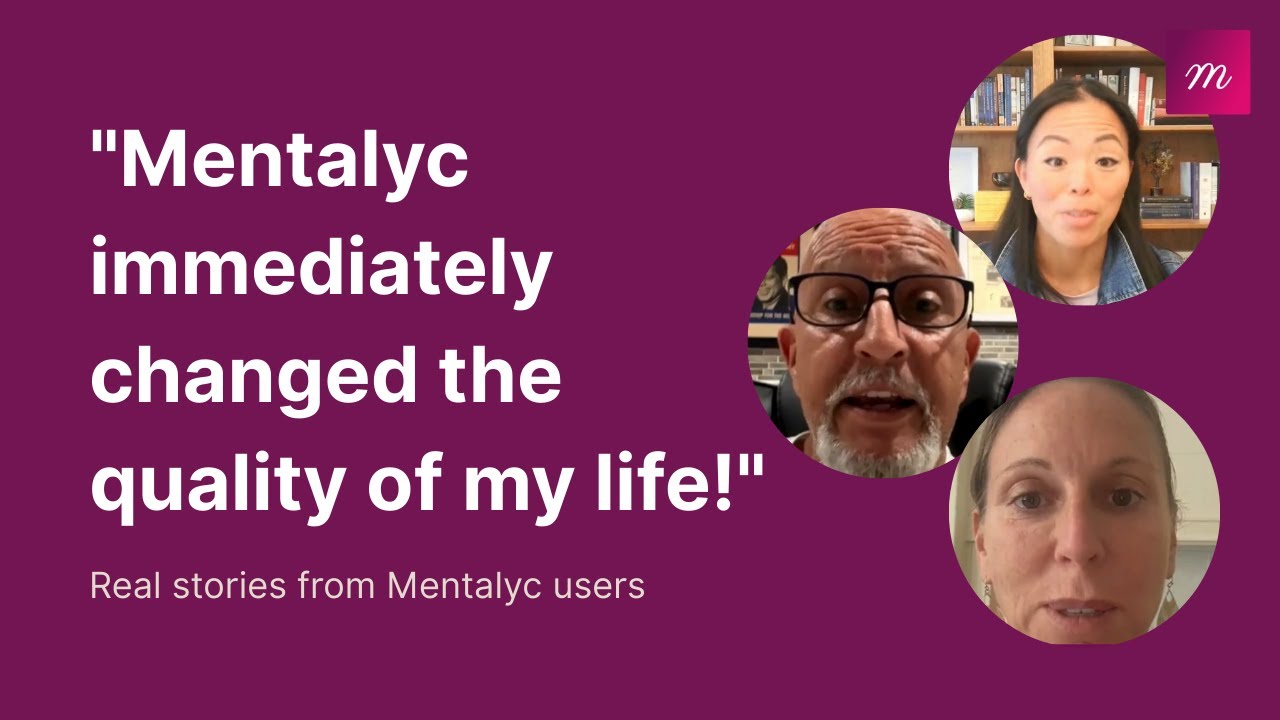
Watch real stories from Mentalyc users
HIPAA Compliant, PHIPA, SOC 2 Type II
4.8/5 rating, trusted by 30,000+ therapists
Try Mentalyc for Free

4.8 on Capterra · 30k+ clinicians

Love these worksheets?

Mentalyc handles the notes and treatment plans too.

Try Mentalyc free

no card · works with your EHR · HIPAA

Your Author

Tracy Collins is a licensed clinical psychologist with over six years of direct clinical experience in outpatient and telehealth settings. She specializes in cognitive behavioral therapy, structured treatment planning, and measurable therapy outcomes. Tracy has extensive experience writing SOAP and DAP notes, developing insurance-compliant treatment plans, and aligning documentation with ICD-10 and DSM-5-TR diagnostic criteria. Her clinical approach integrates cognitive behavioral therapy techniques, behavioral activation, exposure-based interventions, and mindfulness-based strategies to create structured and outcome-driven therapy plans. At Mentalyc, Tracy supports therapists by creating educational resources that simplify documentation workflows and improve treatment plan defensibility during audits.

Why other mental health professionals love Mentalyc

Kara-Myung Jin Purves

“It immediately changed my quality of life, personally and professionally.

Kara-Myung Jin Purves
Owner/Independently Licensed Marriage & Family Therapist (LMFT)
Amber McKinney

“For anyone hesitant: this is a lifesaver. It will change your life, and you have more time to be present with your patients.

Amber McKinney
Licensed Clinical Social Worker
Stanley LeMelle 

“Do yourself a favor, make your life easier. I found Mentalyc to be one of the best tools that I’ve ever used.

Stanley LeMelle 
Licensed Marriage and Family Therapist
Dominique Walker

“If I were recommending this software to a colleague, I would tell them that it is the best thing that they could do for their practice.

Dominique Walker
Licensed Professional Counselor
Karen Martin

“It helps align the note and the plan for moving forward with sessions … it’s been a really good aid in giving me direction.

Karen Martin
LPC
Amber McKinney

“I’m able to move in and out of doing my notes within that small five-minute gap between sessions. I’m able to keep compliance and rest assured everything is covered.

Amber McKinney
Licensed Clinical Social Worker