
Virtual Calming Room for Kids: A Quiet Place to Breathe and Settle
A calm room kids can open when feelings run big, after practicing it with a grown-up: check in with a feeling, breathe, squeeze, watch glitter settle, hear kind words or play soft music, then show a grown-up how it went.
A calm-down space is a choice, not a punishment or time-out.
Try another tool

Calm-Down Glitter Jar
Shake the glitter jar, drop in a feeling, then breathe slowly while everything swirls and settles.
Feed the Worry Monster
Make a friendly monster, then type or draw your worries and feed them to it. It keeps them safe until worry time: practice sorting them, then plan a short worry time each day.
Coping Skills Escape Room
Escape five calm rooms by breathing, noticing, reframing thoughts, matching body clues and choosing your own calm tools.About the technique
 About the technique
A calm-down corner, or calming room, is a space a child can choose to go to when feelings run high, stocked with things that help them settle: breathing prompts, sensory objects, feelings charts and soothing images or sounds. It has no single originator and comes from classroom, positive discipline and play therapy practice. A virtual version brings the same idea to telehealth sessions and to homes without a dedicated space.
The space itself is a container for skills that do have research behind them. Child cognitive-behavioral programs such as Coping Cat teach children to recognize the body signs of strong feelings and use coping steps, and in a randomized trial that program outperformed a waitlist for anxious children (Kendall, 1994). Dialectical behavior therapy teaches self-soothing through the five senses as a distress tolerance skill (Linehan, 2014). A calming room makes those skills easy to find and practice at the moment they are needed. Calm-down spaces have little formal research of their own, so the evidence for the room is practice-based.
It suits young children and families, in session, at home and in school. A calm-down space should be a choice, never a punishment or time-out, and children usually use it best when an adult has practiced it with them while calm. Younger children may need an adult nearby to co-regulate. If a child needs the room very often, look at what is overwhelming them rather than relying on the room alone.

For therapists: how to run it
 For therapists: how to run it
Goal
Help a child notice a big feeling, use one calming skill on their own, and notice that they feel better.
In session
- Show the room on your screen while the child is calm and try each object together, so it is familiar later.
- Ask which object they'd pick for angry, worried and sad.
- During a session, send the client link so the child takes a break on their own device, then talk about what helped.
As homework
- Parents: save the link on a tablet or phone as part of a calm corner at home.
- When the child is upset, they open it, pick how they feel and try the object it suggests.
- At the end the child taps how they feel now, picks what helped most, then taps “Yes, I'm ready” (or “Show my grown-up” if still upset) to get the card. Read it together; copy it for your therapist if you like. Nothing you type is saved.
Exercises like this can lead to disclosures of abuse, neglect or risk. Know your reporting duties before you start, and pause if one comes up.
A calm-down corner is a choice, not a punishment. It works best alongside an adult who helps the child name the feeling afterward.
Worksheets that pair with this tool


Sources & credibility
- Method
- Calm-down corner (self-regulation space)
- Developed by
- No single originator; classroom and positive-discipline practice
- Approach
- Child emotion regulation / social-emotional learning
- Evidence
- Practice-based (limited trials)Calm-down spaces are common in classrooms and therapy rooms but have little formal research; the skills inside them (slow breathing, naming feelings, self-soothing) come from evidence-based child CBT and DBT.
References
- Kendall P. C. (1994). Treating anxiety disorders in children: results of a randomized clinical trial (the Coping Cat program). Journal of Consulting and Clinical Psychology, 62(1), 100–110. Source
- Linehan M. M. (2014). DBT Skills Training Manual (2nd ed.), self-soothe skills. Guilford.
How it was made
Built by the Mentalyc team from the original method and the published sources listed here. Nothing you enter is stored.
Questions people ask
 Questions people ask
What is a virtual calming room?
A virtual calming room is an online space with calming activities, such as breathing guides, soothing visuals and music, that children can open when they feel upset. Schools and therapists use them like a digital calm-down corner.
Do calm down corners work?
Many teachers and therapists find that a predictable calm space helps children learn to notice big feelings and settle before returning to an activity. It works best when the child has practiced using it while calm.
What should be in a calm down corner?
Common items are a feelings check-in, a breathing guide, something to squeeze, a glitter jar and kind words. This virtual room includes all of these on screen.
What should be in a calming corner in a classroom?
Keep it simple: a feelings check-in chart, one or two breathing visuals, a few sensory items such as a squeeze ball or glitter jar, and a way to show you are ready to return. It should be a choice, not a punishment, and an adult checks in afterward.
Problem or idea? Tell us (opens in a new tab)

 How Mentalyc works
 AI Note Taking
 AI Treatment Plans
 AI Progress Tracking
 Alliance Genie™
 Worksheet Matcher
Why other mental health professionals love Mentalyc


“For anyone hesitant: this is a lifesaver. It will change your life, and you have more time to be present with your patients.”
 Amber McKinney
Licensed Clinical Social Worker
Amber McKinney
Licensed Clinical Social Worker
“If I were recommending this software to a colleague, I would tell them that it is the best thing that they could do for their practice.”
 Dominique Walker
Licensed Professional Counselor
Dominique Walker
Licensed Professional Counselor
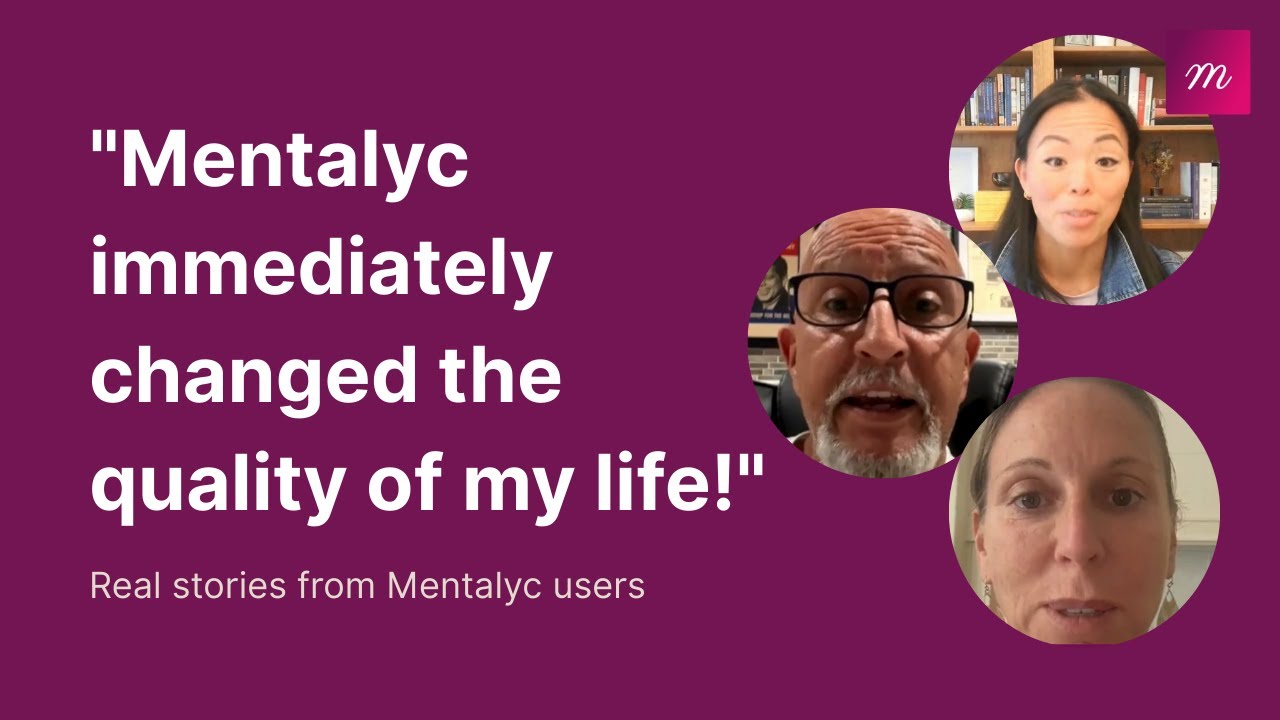
“It immediately changed my quality of life, personally and professionally.”
 Kara-Myung Jin Purves
Owner/Independently Licensed Marriage & Family Therapist (LMFT)
Kara-Myung Jin Purves
Owner/Independently Licensed Marriage & Family Therapist (LMFT)
Made for use in therapy: a licensed mental health professional decides whether a tool suits their client and guides its use.
Children should use this with a parent, therapist or teacher, not on their own.
Educational practice aid, not a medical device. Not a substitute for therapy, diagnosis or emergency care.