Introduction "Altered Mental State, Unspecified" is a term used to describe a change in a person's mental function or consciousness that is not specifically identified or diagnosed. This diagnosis indicates there is a noticeable difference or disturbance in typical mental clarity, perception, awareness, cognition, or responsiveness, but the exact cause or specific nature of the […]
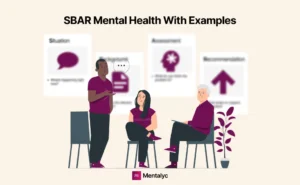
Many therapists find it tricky to share detailed updates without losing nuance or drowning in jargon. That’s where the SBAR framework (Situation, Background, Assessment, Recommendation) comes in. In this guide, we’ll break down how to use SBAR in mental health, share real examples, and show you how it can strengthen collaboration across your care team. If you’re looking […]
What's a panic disorder? Panic disorder is a psychiatric condition that affects approximately 4.7% of U.S. adults at some point in their lifetimes (NIMH, 2023). Panic disorder often starts in the teens or early adulthood, and it is twice as common in women than in men (NIMH, 2023). This condition is characterized by unexpected and […]
How to Make Money as a Therapist? (Best side hustles for mental health therapists) Being a therapist is a rewarding career, but it can also come with financial challenges. Whether you are just starting out or have years of experience, we understand the importance of earning a competitive income. In this blog, we will discuss […]
The spark of Mentalyc ignited in an unusual place: amidst my personal journey to overcome an eating disorder. The frustration of bouncing between five therapists, two psychiatrists, and enduring tough experiences taught me firsthand the need for a transformative approach to therapy, one that empowers both patients and practitioners. This desire took shape in the […]
Do you feel overwhelmed by how many progress notes you have to write as a mental health professional? Although essential for quality care, they can be tedious and time-consuming. But don’t worry, we’ve got you covered! We want to introduce you to the FIRP method – an incredibly effective and efficient way to take notes. […]
Are you keeping up with the latest trends in healthcare? If not, you should know that e-prescribing is taking the industry by storm, especially among mental health professionals. It's a game-changer in medication management, and it's all thanks to modern technology! With e-prescribing, you can send prescriptions directly to pharmacies from your electronic health record system […]
You've dedicated your life to helping others work through challenging times, but when was the last time you focused on yourself? As therapists, our job is emotionally demanding. We absorb the stress and trauma of our clients daily, often leaving little time for self-care. If you're not careful, you can feel depleted, unmotivated, and dreading […]
Understanding Autism Spectrum Disorder Autism, often referred to as autism spectrum disorder (ASD), is a complex developmental condition characterized by a diverse range of challenges related to communication, social interaction, and behavior. This condition is a lifelong companion, and its manifestation varies significantly from one individual to another. In this blog post, we will explore the world […]
Have you ever found yourself in a tough spot as a therapist when a client asks to see their psychotherapy notes? With so many rules and regulations surrounding these notes, it can be challenging to navigate through it all – especially with lawyers or insurance companies involved. But fear not! This article is your ultimate […]
F41.9 is a specific code in the American ICD-10-CM system (effective October 1, 2024) used for billing purposes. It signifies a diagnosis of “Anxiety Disorder, Unspecified.” Be aware that international versions of ICD-10 may use different codes for anxiety diagnoses. Overview of ICD-10 Codes for Anxiety It is crucial to determine the appropriate ICD-10 code […]
In the US healthcare system, F41.1 is a specific code within ICD-10-CM used for billing purposes. It signifies a diagnosis of Generalized Anxiety Disorder (GAD). This code became effective in October 2023 (2024 edition). Remember, international versions of ICD-10 may utilize different codes for this diagnosis. Understanding Generalized Anxiety Disorder (GAD) Generalized Anxiety Disorder is a common […]
ICD-10-CM Code for Major Depressive Disorder is F32.9 For clinicians, understanding ICD-10 codes for depression supports precise record-keeping, treatment planning, and smooth insurance claims. In this article, you’ll learn what the F32.9 code means, when to use it, and how to document it confidently. Struggling to keep your notes clear, compliant, and connected to diagnoses? **Mentalyc** does the heavy […]
Are you tired of drowning in paperwork as a mental health professional? Do you wish there was an easy solution to make documentation a breeze? Look no further! We have compiled a quick reference guide to help you master clinical documentation like a pro. With our practical tips, you can document faster, more accurately, and […]
Whether you’re documenting a client’s symptoms or preparing a treatment plan, knowing the correct ICD-10 code for Alcohol Use Disorder (AUD) is essential for accurate diagnosis, billing, and continuity of care. This guide walks you through the 2025 ICD-10 codes for Alcohol Use Disorder, explains key diagnostic criteria, and offers practical tips for clear, defensible documentation — especially […]
The ADHD Journey Attention Deficit Hyperactivity Disorder (ADHD) is a prevalent neurological condition that weaves its presence into countless lives, manifesting as behavioral challenges related to attention, impulsivity, and/or hyperactivity, oftentimes casting shadows upon daily lives and personal growth. Also recognized as Attention Deficit Disorder (ADD), this condition can potentially lead to substantial adverse outcomes if left untreated. Understandably, […]
In our fast-paced world, it’s not uncommon for people to grapple with stress and navigate the twists and turns of life’s unpredictable changes. However, there’s a point where these challenges can evolve into something more enduring and overwhelming. This is where Adjustment Disorder comes into play – a condition characterized by significant distress that persists for more than just […]
In the mental health field, the term ‘prognosis’ refers to a prediction of the course, duration, severity, and outcome of a mental health condition. A prognosis can be given before treatment begins, so the client can weigh the benefits of different treatment options. The prognosis may also include a prediction of improvement reached at different intervals during […]
Are you ready to take your therapy game to the next level? Get excited about the PCL-5, a powerful assessment tool that will revolutionize how you identify potential posttraumatic stress disorder (PTSD) in your clients. With a simple and quick process, you can gain valuable insight into your client’s symptoms and how they compare to the DSM-5 […]
The Major Depressive Disorder (MDD) is classified under Mood Disorders and is assigned code F32.9. This applies specifically to the American edition of ICD-10-CM (effective October 1, 2023). International versions of ICD-10 may use different codes. Depression, also known as Major Depressive Disorder (MDD), is a mental health condition that affects the functioning of millions of individuals worldwide. […]
Borderline Personality Disorder (BPD) is an often misunderstood and complex mental health condition that involves instability in how individuals relate to others, perceive themselves, and regulate their emotions. The Diagnostic and Statistical Manual of Mental Disorders, Fifth Edition, Text Revision (DSM-5-TR) outlines the DSM-5 criteria for Borderline Personality Disorder, which clinicians rely on to identify and evaluate symptoms accurately. […]
While the American ICD-10-CM system (effective October 2023) includes the code F43.1, it’s not recommended for billing purposes. This is because more specific codes exist within the F43.1 category, offering greater detail for diagnoses. International versions of ICD-10 may have different practices regarding F43.1. ICD-10 Code for PTSD Posttraumatic stress disorder (PTSD) is a psychiatric disorder that […]
Do you ever feel lost in a sea of medical billing codes? As a mental health professional, it’s critical to grasp the codes to provide the best treatment for your clients. One of the most common codes you’ll encounter is F33.2 – recurrent severe major depressive disorder without psychotic symptoms. With over 300 million people worldwide […]
If you’re a mental health professional, billing can be overwhelming. It’s challenging to know what billing codes you need and when. As a psychotherapist, you must remember many codes to keep on top of getting appropriately reimbursed for your services. You may ask questions like what codes do I use for what services? When do […]