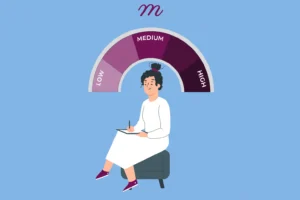


Considered a gold standard in therapy, CBT (Cognitive Behavioral Therapy) empowers psychologists and individuals alike. Though built on simple ideas, CBT can spark significant positive change. This article delves into the core of CBT, its mechanisms, and how you can harness its principles for personal growth or to guide your clients.
How Can Therapy Worksheets Be Useful for Mental Health Professionals?
As a mental health professional, it can be helpful to have a range of resources at your disposal to support your clients and enhance your practice. Worksheets and other materials can be useful for engaging clients, tracking progress, and reinforcing key concepts. In this article, we’ll be exploring a variety of therapy resources available to psychotherapists, including CBT resources, cognitive distortion worksheets, and therapy worksheets.
What are the best Cognitive-Behavioral Therapy Resources?
CBT, or cognitive-behavioral therapy, is a popular evidence-based treatment approach that focuses on the connection between thoughts, feelings, and behaviors (Mansell, 2008). There are many resources available to help psychotherapists incorporate CBT into their practice, including worksheets, exercises, and handouts.
Some examples of CBT resources include:
- Cognitive Restructuring: Socratic Questions Worksheet This worksheet helps clients with a structured guide to identify, challenge, and replace negative thoughts, encouraging emotional resilience and long-term positive change.
- Thought Log Worksheet A thought log is a structured way of recording your thoughts. This worksheet helps clients become more aware of their internal dialogue and its impact on their emotions and actions.
- Behavioral Activation Worksheet This worksheet guides clients in identifying and implementing positive behavioral changes.
What kind of worksheets can therapists use in their work?
Therapy worksheets can be useful for a wide range of mental health issues and treatment approaches. Therefore, they should not be omitted as valuable tools for mental health professionals. A 2021 paper regarding PTSD patients had proven worksheets as a useful asset regarding behavioral changes. (Stirman et al)
Automated treatment plans that reflect your approach

New! Transfer your notes to EHR with a single click. No more copy-pasting.
Some examples of therapy worksheets include:
- Anger Stop Signs Worksheet help clients recognize the early warning signs of anger and develop healthier coping mechanisms.
- Protective Factors Worksheet help clients identify their inner strengths and build resilience in the face of adversity.
- Thinking Errors Worksheet help young clients with essential tools to recognize negative thoughts.
Are there any other useful apps for mental health professionals?
There are many tools available to mental health professionals to help support their work with clients. In addition to worksheets, some other examples of apps for mental health professionals include:
Automate Treatment planning with Mentalyc’s AI Treatment Planner
Generate treatment plans that mirror your approach, satisfy payors, and evolve with your clients.
- SMART Goals
- Insurance-ready formatting
- Track goals & outcomes
- HIPAA & PHIPA compliant
New! Transfer your notes to EHR with a single click. No more copy-pasting.


- Practice management apps Apps like Simple Practice, and Therapy Notes can help streamline scheduling, billing, and progress notes.
- Note-taking apps Apps like Mentalyc can help therapists take more organized and structured notes, which can be useful for tracking progress and identifying patterns.
- Self-care resourcesTools like mindfulness apps and online self-care courses can help mental health professionals prioritize their well-being and avoid burnout.
Overall, there are many resources available to mental health professionals to support their work with clients and enhance their practice. Consider exploring some of these resources to see how they might be useful for you and your clients.
References
- Mansell, W. (2008). What is CBT really and how can we enhance the impact of effective psychotherapies such as CBT? Against and for CBT: Towards and constructive dialogue, 19-32.
- Shirk, S. R., Crisostomo, P. S., Jungbluth, N., & Gudmundsen, G. R. (2013). Cognitive mechanisms of change in CBT for adolescent depression: Associations among client involvement, cognitive distortions, and treatment outcome. International Journal of Cognitive Therapy, 6 (4), 311-324.
- Borgeat, F., Stankovic, M., Khazaal, Y., Rouget, B. W., Baumann, M. C., Riquier, F., … & Bondolfi, G. (2009). Does the form or the amount of exposure make a difference in the cognitive-behavioral therapy treatment of social phobia? The Journal of nervous and mental disease, 197 (7), 507-513.
- Bennett-Levy, J. (2003). Mechanisms of change in cognitive therapy: The case of automatic thought records and behavioural experiments. Behavioural and Cognitive Psychotherapy, 31(3), 261-277.
- Stirman, S. W., Gutner, C. A., Gamarra, J., Suvak, M. K., Vogt, D., Johnson, C., … & STRONG STAR Consortium. (2021). A novel approach to the assessment of fidelity to cognitive behavioral therapy for PTSD using clinical Worksheets: a proof of concept with cognitive processing therapy. Behavior therapy, 52(3), 656-672.
- Schueller, S. M., Neary, M., Lai, J., & Epstein, D. A. (2021). Understanding People’s Use of and Perspectives on Mood-Tracking Apps: Interview Study. JMIR mental health,8(8), e29368. https://doi.org/10.2196/29368
- De Oliveira, I. R. (2007). Sentence-reversion-based thought record (SRBTR): a new strategy to deal with “yes, but…” dysfunctional thoughts in cognitive therapy. European Review of Applied Psychology,57(1), 17-22.
- Stock, J., & Cervone, D. (1990). Proximal goal-setting and self-regulatory processes. Cognitive therapy and research,14(5), 483-498.
Why other mental health professionals love Mentalyc

“It immediately changed my quality of life, personally and professionally.”
Owner/Independently Licensed Marriage & Family Therapist (LMFT)

“If I were recommending this software to a colleague, I would tell them that it is the best thing that they could do for their practice.”
Licensed Professional Counselor

“Do yourself a favor, make your life easier. I found Mentalyc to be one of the best tools that I’ve ever used.”
Licensed Marriage and Family Therapist

“For anyone hesitant: this is a lifesaver. It will change your life, and you have more time to be present with your patients.”
Licensed Clinical Social Worker