
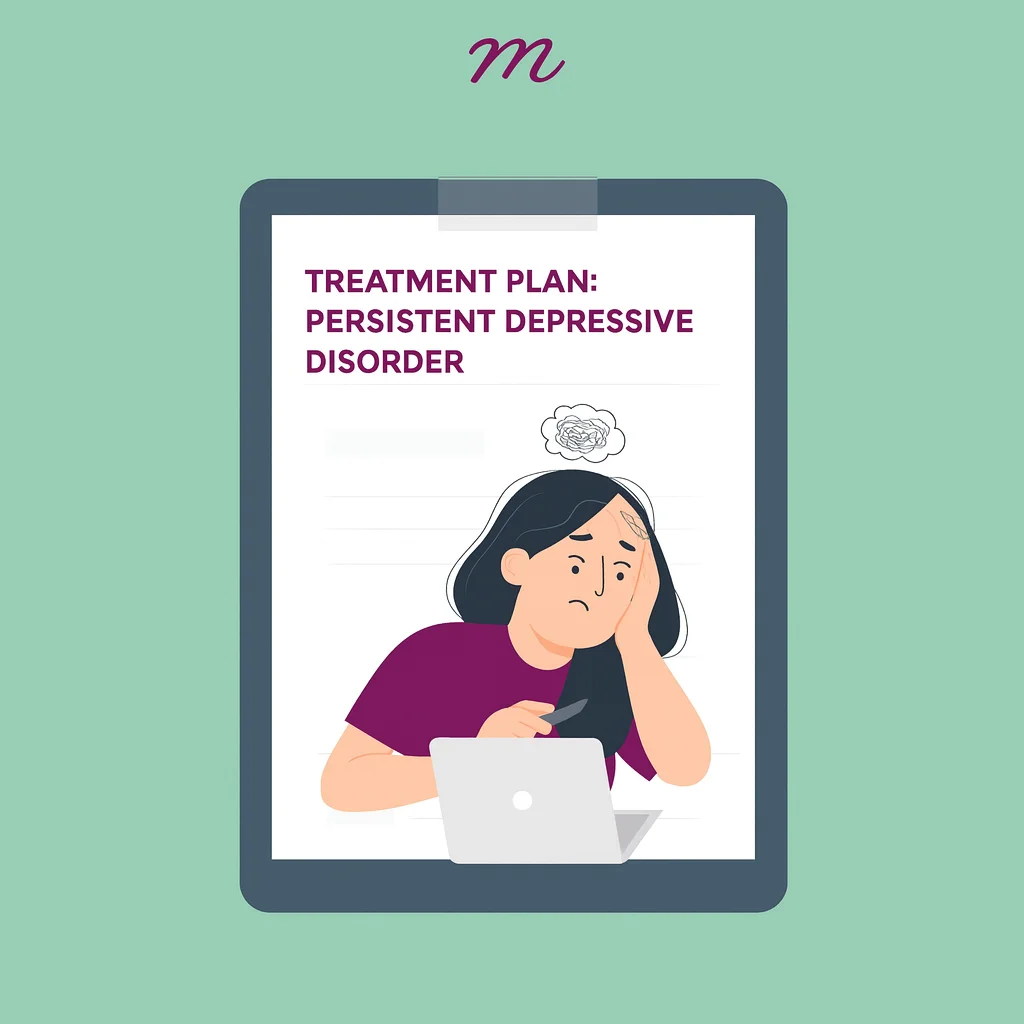
Persistent Depressive Disorder (PDD), formerly known as dysthymia, is a chronic depressive condition characterized by long-standing low mood, reduced motivation, and impaired functioning. Diagnostic criteria require symptoms to be present for at least two years in adults and one year in children or adolescents, making PDD distinct from episodic depressive presentations.
Unlike Major Depressive Disorder (MDD), which often presents with acute and severe depressive episodes, PDD involves lower-grade but persistent symptoms that cumulatively erode functioning, self-esteem, and quality of life. Clients with PDD frequently present with chronic sadness, fatigue, poor concentration, appetite changes, low self-worth, and a pervasive sense of hopelessness. Because symptoms become normalized over time, PDD is often under-treated or poorly documented.
From a treatment-planning perspective, PDD requires a long-term, structured, and adaptable approach. Therapists must demonstrate not only symptom presence, but ongoing medical necessity, gradual progress, and evolving clinical goals over time. Static or generic treatment plans are particularly vulnerable in chronic conditions like PDD, where progress is incremental rather than dramatic.
Core Treatment Planning Principles for PDD
Effective PDD treatment plans reflect the chronic course of the disorder while remaining adaptable as functioning improves. Plans should emphasize:
Automated treatment plans that reflect your approach

New! Transfer your notes to EHR with a single click. No more copy-pasting.
- Symptom persistence rather than episodic severity
- Functional impairment (work, relationships, motivation, daily routines)
- Relapse prevention and maintenance strategies
Most plans involve a combination of psychotherapy and pharmacotherapy, with lifestyle and behavioral supports documented as adjunctive interventions rather than primary treatments.
Psychotherapy Modalities in PDD Treatment Plans
Psychotherapy is a central component of most Persistent Depressive Disorder treatment plans and is often required over an extended duration. Because PDD is chronic, documentation must reflect sustained therapeutic intent, rather than short-term symptom resolution. Treatment plans should clearly articulate the rationale for modality selection and how interventions target long-standing depressive patterns.
Cognitive Behavioral Therapy (CBT)
CBT is frequently indicated in PDD when symptoms are maintained by negative core beliefs, cognitive distortions, and behavioral withdrawal. Clients often exhibit entrenched pessimism, learned helplessness, and avoidance patterns that perpetuate low mood.
Clinical Focus
- Modify long-standing cognitive schemas
- Increase behavioral engagement and reinforcement
- Reduce avoidance and inactivity
Sample PDD Treatment Plan Example
Long-Term Goal
Reduce severity and persistence of depressive symptoms and improve overall functioning.
Short-Term Objectives
- Identify and challenge recurring negative core beliefs contributing to chronic low mood.
- Increase participation in pleasurable or value-based activities to improve behavioral activation.
Interventions
Automate Treatment planning with Mentalyc’s AI Treatment Planner
Generate treatment plans that mirror your approach, satisfy payors, and evolve with your clients.
- SMART Goals
- Insurance-ready formatting
- Track goals & outcomes
- HIPAA & PHIPA compliant
New! Transfer your notes to EHR with a single click. No more copy-pasting.

- Cognitive restructuring to address maladaptive thought patterns.
- Behavioral activation with activity scheduling and follow-up.
- Review of thought records and between-session assignments.
Documentation should clearly demonstrate the link between identified cognitions → targeted interventions → observable emotional or behavioral change.
Interpersonal Therapy (IPT)
IPT is appropriate when depressive symptoms are maintained by chronic interpersonal stressors, including unresolved grief, role transitions, relational conflict, or social isolation.
Clinical Focus
- Improve interpersonal functioning and communication
- Reduce depressive symptoms linked to relational stress
Sample Treatment Plan
Long-Term Goal
Improve relational functioning and reduce depressive symptoms associated with interpersonal stress.
Short-Term Objectives
- Identify interpersonal patterns contributing to chronic depressive symptoms.
- Develop effective communication strategies to reduce relational conflict.
Interventions
- Role transition exploration
- Interpersonal dispute resolution
- Strengthening social supports
IPT goals should emphasize functional relational outcomes, not insight alone.
DBT-Informed Interventions
While full-model DBT is not always indicated for PDD, DBT-informed strategies are often incorporated when clients present with emotional dysregulation, impulsive coping, or distress intolerance that interferes with depressive work.
Clinical Focus
- Increase emotional regulation capacity
- Reduce maladaptive coping behaviors
- Improve distress tolerance
Sample Treatment Plan
Long-Term Goal

Increase emotional stability and adaptive coping.
Short-Term Objectives
- Improve ability to tolerate distress without avoidance or impulsive behaviors.
- Increase use of emotion regulation strategies during depressive episodes.
Interventions
- Emotion regulation skills training
- Distress tolerance techniques
- Mindfulness-based practices
Documentation should clarify that DBT skills are used to support stabilization and engagement, not as the primary modality unless clinically indicated.
Psychodynamic Therapy
Psychodynamic approaches may be appropriate when PDD is conceptualized as arising from long-standing relational patterns, unresolved emotional conflicts, or early attachment experiences.
Clinical Focus
- Increase insight into recurring emotional and relational patterns
- Address unconscious contributors to chronic depression
Because change may be subtle, documentation should emphasize process-oriented goals, such as increased emotional awareness, relational insight, and adaptive pattern recognition.
Medication Management in PDD Treatment Plans
Medication is commonly included when symptoms are moderate to severe or when psychotherapy alone yields limited improvement. Treatment plans should clearly reflect collaborative care with prescribing providers.
Commonly Documented Classes
- SSRIs (e.g., fluoxetine, sertraline, escitalopram)
- SNRIs (e.g., venlafaxine, duloxetine)
- Atypical antidepressants (e.g., bupropion, mirtazapine)
- TCAs or MAOIs in treatment-resistant cases
Documentation Should Include
- Target symptoms
- Rationale for medication selection
- Monitoring plan and coordination with prescriber
Lifestyle and Behavioral Supports (Adjunctive)
Lifestyle interventions should be documented as supportive strategies reinforcing primary treatment goals.
Common adjunctive interventions include:
- Structured physical activity
- Sleep hygiene routines
- Nutritional considerations
- Mindfulness and stress-management practices
- Social engagement strategies
Each should be linked to specific functional goals, rather than listed generically.
Long-Term Management and Relapse Prevention
Given the chronic nature of PDD, treatment plans must address maintenance and relapse prevention. Effective plans include:
- Monitoring early warning signs of symptom recurrence
- Sustaining behavioral routines and coping strategies
- Periodic reassessment of goals and interventions
Documentation should reflect ongoing reassessment, not static continuation of early-stage goals.
Using Mentalyc to Write and Maintain PDD Treatment Plans
PDD treatment plans often fail audits because goals remain unchanged despite months of therapy. Mentalyc’s AI Treatment Planner is particularly well-suited to chronic conditions like PDD.
Mentalyc helps therapists:
- Generate SMART, diagnosis-aligned goals directly from session notes
- Maintain the Golden Thread between notes, treatment plans, and progress
- Automatically update plans as therapy evolves—without manual rewriting
- Track progress directly from session content, without extra forms or questionnaires
This enables therapists to maintain longitudinal, insurance-ready documentation that reflects gradual but meaningful change—without increasing administrative burden.
Conclusion
Persistent Depressive Disorder requires intentional, long-term, and adaptable treatment planning. Effective documentation must demonstrate clear goals, appropriate modality selection, and measurable progress over time—despite the slow pace of change.
By combining evidence-based psychotherapy, medication management, adjunctive supports, and structured documentation supported by Mentalyc, therapists can create PDD treatment plans that are clinically accurate, defensible, and aligned with real therapeutic work.
References
Dodd, S., Bauer, M., Carvalho, A. F., Eyre, H., Fava, M., Kasper, S., … & Berk, M. (2021). A clinical approach to treatment resistance in depressed patients: What to do when the usual treatments don’t work well enough?. The World Journal of Biological Psychiatry, 22(7), 483-494.
Karrouri, R., Hammani, Z., Benjelloun, R., & Otheman, Y. (2021). Major depressive disorder: Validated treatments and future challenges. World journal of clinical cases, 9(31), 9350.
Kato, M., Hori, H., Inoue, T., Iga, J., Iwata, M., Inagaki, T., … & Tajika, A. (2021). Discontinuation of antidepressants after remission with antidepressant medication in major depressive disorder: a systematic review and meta-analysis. Molecular psychiatry, 26(1), 118-133.
Walter, H. J., Abright, A. R., Bukstein, O. G., Diamond, J., Keable, H., Ripperger-Suhler, J., & Rockhill, C. (2023). Clinical practice guideline for the assessment and treatment of children and adolescents with major and persistent depressive disorders. Journal of the American Academy of Child & Adolescent Psychiatry, 62(5), 479-502.
Why other mental health professionals love Mentalyc

“Do yourself a favor, make your life easier. I found Mentalyc to be one of the best tools that I’ve ever used.”
Licensed Marriage and Family Therapist

“For anyone hesitant: this is a lifesaver. It will change your life, and you have more time to be present with your patients.”
Licensed Clinical Social Worker

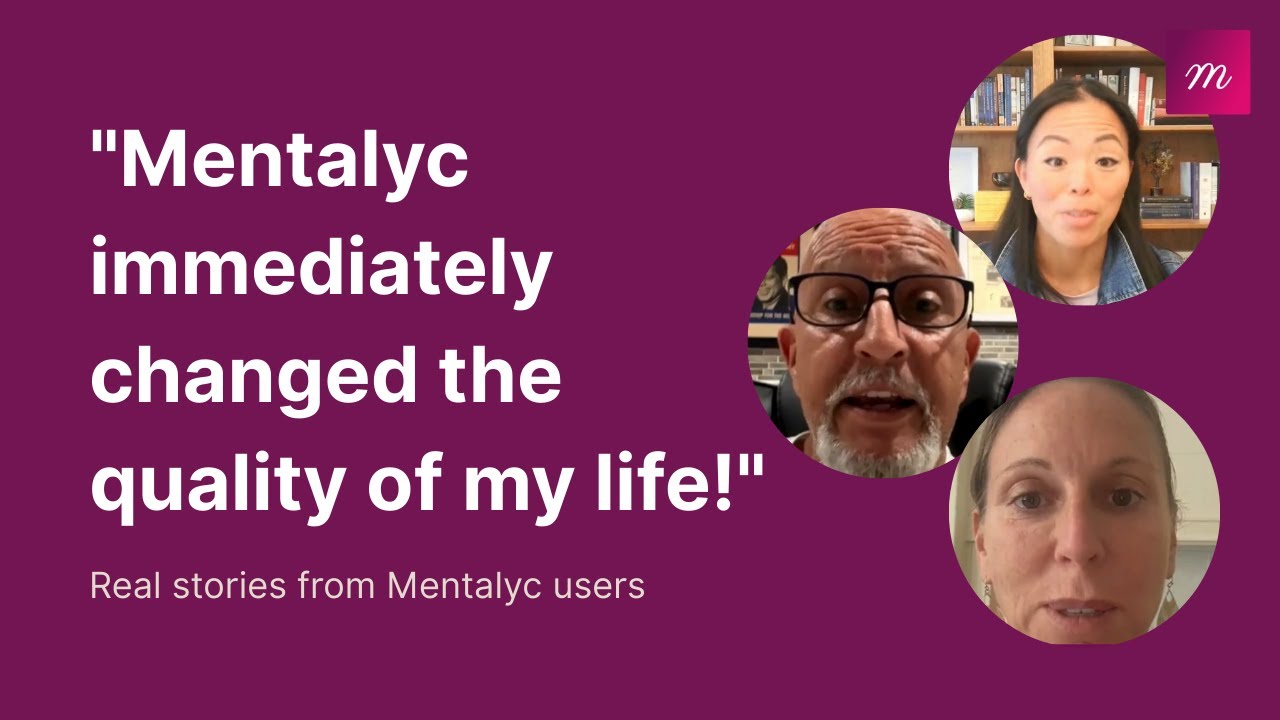
“It immediately changed my quality of life, personally and professionally.”
Owner/Independently Licensed Marriage & Family Therapist (LMFT)

“If I were recommending this software to a colleague, I would tell them that it is the best thing that they could do for their practice.”
Licensed Professional Counselor