

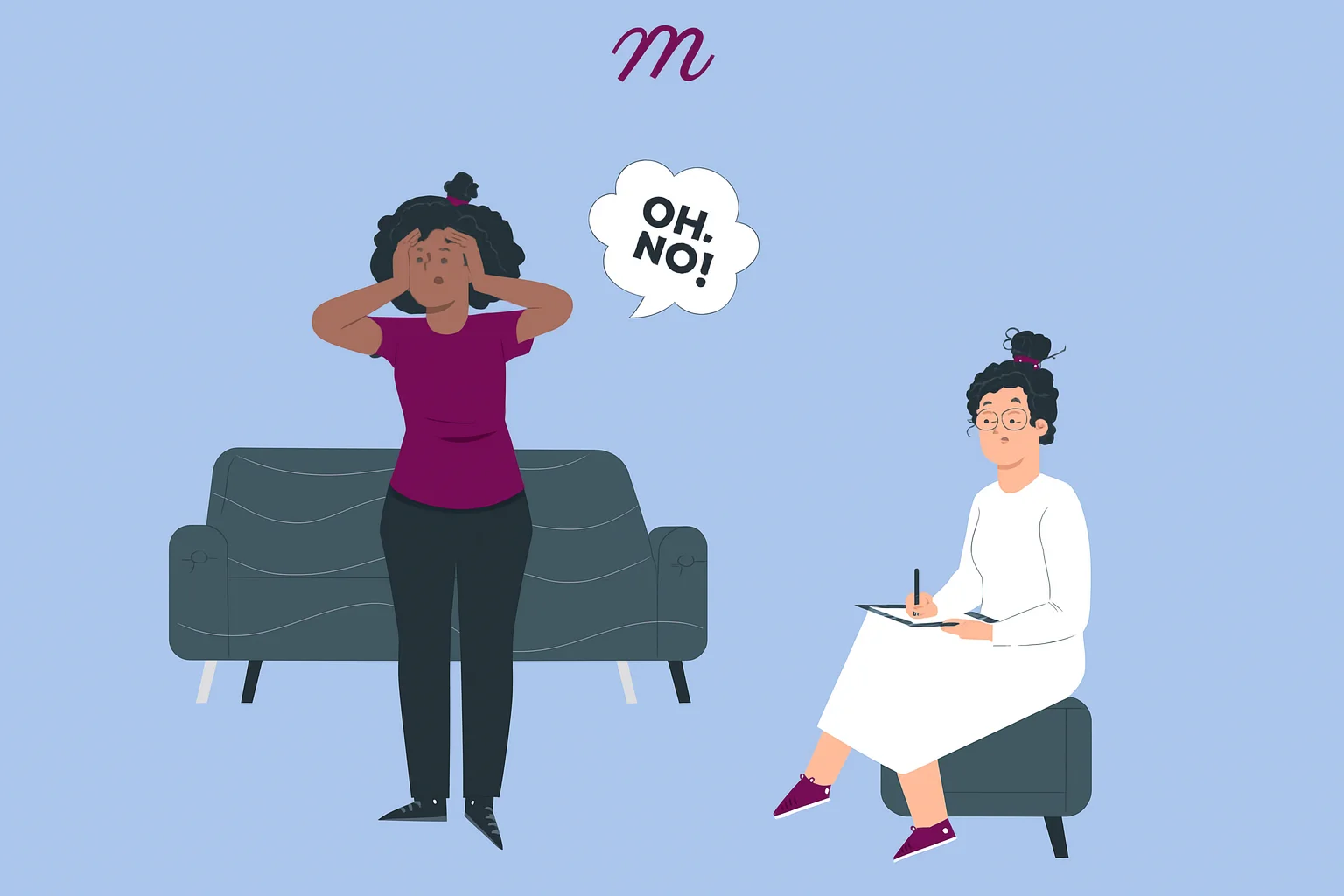
A rupture in the therapeutic alliance is a breakdown or strain in the collaborative and affective bond between a therapist and client. These moments can interrupt progress and may stem from misunderstandings, unresolved transference, therapist error, or broader interpersonal dynamics. Ruptures can be seen not as failures but as opportunities for growth, when approached with curiosity and openness. This guide covers the full range of alliance-strain events: the rupture itself and how to repair it, the client who withdraws or ghosts between sessions, the client who plateaus in therapeutic stagnation, and how to empower and re-motivate a stuck client.
When I started as a therapist two years ago, nobody warned me about how personally challenging ruptures in the therapeutic relationship would be. I had all the theoretical knowledge from grad school, but nothing prepared me for that sinking feeling when a client looks you in the eye and says, “I don’t see the point of therapy.” That happened to me about 2 months in with a client I thought was making progress. Mid-session, he just dropped that bomb. My stomach instantly knotted up. Instead of giving him space to elaborate (which I now know would have been the more appropriate move), I launched into this nervous, defensive explanation of therapy’s benefits. I listed research studies, talked about long-term outcomes, basically everything except actually listening to what he was trying to tell me. By the time I stopped rambling, the moment was gone, and so was the opportunity to understand what was really going on for him.
That moment still makes me cringe when I think about it. But it taught me something crucial that my textbooks never did.
Strengthen your therapeutic relationships

The Reality of the Therapeutic Alliance
We talk about the therapeutic alliance like it’s this stable thing, something you establish early and then it’s just there. But my experience has shown it’s way messier than that. It’s constantly shifting. Some days it’s strong, and then suddenly it’s shaky for reasons you can’t immediately identify.
Once in my supervision, I finally admitted how annoyed I’d become with a client who texted me 2 to 3 reminders on session days. “Just making sure we’re still on for 3pm!” followed by “See you at 3!” Each ping made me more irritated. In my head I’d think, “Yes, I’m a professional. I have a calendar. I don’t need multiple reminders for a standing appointment.” My supervisor asked a question that stopped me cold: “What do you think those texts mean to your client?” I hadn’t considered that these weren’t actually about my competence, but about her anxiety around abandonment. My annoyance was getting in the way of seeing what was really happening.
These ruptures are where the real work happens. But they’re also where I’ve felt most lost as a new therapist. It took my supervisor to catch what I missed about those reminder texts, and most of us do not have a supervisor in every session. A post-session alliance review can play that role between supervision meetings, flagging the shift you sensed but could not name in the moment.
What Are the Two Types of Rupture in the Therapeutic Alliance?
There are two types of therapeutic rupture: confrontation ruptures, where the client directly expresses dissatisfaction, and withdrawal ruptures, where the client subtly disengages. A rupture is most often caused by a misattunement, a therapist error or microaggression, a misunderstanding, or the activation of a client’s attachment history inside the room.
| Rupture type | What it looks like | Common cues | What it often reflects |
|---|---|---|---|
| Confrontation | Client openly voices dissatisfaction with you or the therapy | “I don’t feel heard,” “This isn’t helping,” challenges to your competence or direction | A fear of abandonment expressed through anger (Safran & Muran, 2000) |
| Withdrawal | Client subtly disengages, complies, or flattens | Silence, sudden politeness, surface-level answers, late arrival, “everything’s fine” | A fear of engulfment or retaliation; avoidance of conflict |
Confrontation Ruptures
Confrontation ruptures are where the client directly expresses dissatisfaction with the therapist or therapy process. These often include verbal expressions like “I don’t feel heard” or “This isn’t helping.” They may involve a challenge to the therapist’s competence, direction of therapy, or emotional attunement. According to Safran and Muran (2000), confrontation ruptures tend to activate the therapist’s defensiveness, which can lead to escalation if not recognised and managed.
Withdrawal Ruptures
Withdrawal ruptures are where the client subtly disengages, becoming compliant, emotionally distant, or avoiding deep conversation. Withdrawal can manifest through passivity, avoiding difficult topics, excessive agreement, or reduced emotional expression. Clients may nod along without truly engaging or shift into surface-level discussions. These ruptures are often harder to spot, and therapists must attend to shifts in tone, affect, and interaction style. According to the APA’s supervisory guidelines, silence, sudden politeness, or flattening of emotion are common withdrawal cues.
Safran and Muran (2000) emphasize that both types of rupture in the therapeutic alliance are embedded within the relational dynamics of therapy, often reflecting deeper attachment patterns. Confrontation ruptures may reflect a client’s fear of abandonment through anger, while withdrawal ruptures may reflect a fear of engulfment or retaliation.
How Do You Spot a Rupture in Therapy?
You spot a rupture in one of two ways: the direct challenge, where the client tells you something is wrong, and the quiet withdrawal, where engagement subtly drops.
The Direct Challenge. Some clients will just tell you something’s wrong: “This isn’t working for me.” “I don’t think you understand my situation at all.” “I feel worse after our sessions, not better.” That client who questioned therapy’s purpose was doing me a favor with his directness, even though it didn’t feel like it at the time. He was giving me valuable information, I just wasn’t ready to hear it.
The Quiet Withdrawal. Then there are the subtle signs that something’s off: the client who suddenly starts arriving late; the person who used to go deep but is now giving superficial responses; the shift from emotional sharing to intellectual discussion; session after session of “everything’s fine” when it clearly isn’t. As therapists we tend to miss these cues entirely with an early client.
Understanding Your Triggers as a Therapist
Looking back at my mishaps, certain therapeutic situations consistently trigger me:
- When clients question the process. That “what’s the point” moment activated all my insecurities as a new therapist. I’ve since learned to breathe first, then get curious rather than defensive.
- When clients need excessive reassurance. Those multiple session reminders pushed my buttons around being respected as a professional. I’m learning this is often more about the client’s past experiences than my competence.
- When therapy stirs up my own unresolved issues. One client’s description of workplace bullying hit uncomfortably close to my own experiences, and I found myself overidentifying rather than maintaining a helpful perspective.
- When cultural differences create misunderstandings. A client from a different cultural background interpreted my questions about his family as intrusive rather than supportive, creating tension I initially missed completely.
How Do You Repair a Rupture in the Therapeutic Alliance?
You repair a rupture in five steps: name it, regulate yourself, listen and validate, take accountability, and re-establish the goals together. Each step stands on its own, so you can use them in the order the moment calls for.
1. Name the rupture. Invite the client to reflect on the shift you noticed: “I noticed a shift in our sessions. I wonder how you’re feeling about our work together.” Naming the tension externalizes it as a shared problem instead of a private failure. This is the metacommunication skill at the center of rupture-repair training (Safran & Muran, 2000).
2. Regulate yourself first. Manage your own emotional response before you respond to the client, so you act from curiosity rather than defensiveness or shame.
3. Listen and validate. Do not jump to fixing. Listen deeply, and reflect back what the client is telling you so they feel heard.
4. Take accountability where it is warranted. Even small moments of misattunement can be acknowledged directly. A specific, non-defensive acknowledgment does more than a general apology.
5. Re-establish goals and alignment together. Collaboratively realign on what you are working toward. This realignment is often what rebuilds trust after a rupture.
Repair is not a single conversation but an ongoing invitation to be transparent and attuned. Repairing ruptures successfully can actually strengthen the alliance and lead to deeper therapeutic work, and clients who experience rupture and repair often show better outcomes than those whose alliance stayed smooth throughout (Eubanks, Muran & Safran, 2018). The catch is that you can only repair the rupture you noticed, and the quietest ones slip past in the moment. Reviewing the session afterward with a tool like Alliance Genie is what surfaces the strain you stepped over while staying present with the client.
What Actually Works When Things Go Sideways
1. Just name it. My best repair moments have started with simple acknowledgment: “Something feels different in the room today. Have I missed something important?” or “I’m sensing some tension between us. Should we talk about that?” This technique aligns with the practice of “metacommunication,” a core repair skill encouraged in rupture-repair training (Safran & Muran, 2000). Naming the tension helps externalize it as a shared problem, rather than internalizing it as personal failure.
2. Take a breath before responding. When that client questioned therapy’s value, my immediate anxiety response made me talk AT him instead of WITH him. Now I try to pause, breathe, and get curious. According to Rula’s therapist support guidelines, unregulated therapist reactivity, such as overexplaining or becoming defensive, can intensify a rupture.
3. Accept that ruptures are inevitable. I used to think ruptures meant I was failing as a therapist. Now I see them as essential parts of the work. Successful repair is one of the strongest predictors of positive treatment outcomes (Safran, Muran & Eubanks, 2011).
4. Remember it is not personal. Those session reminders weren’t a comment on my professionalism, they were about my client’s needs and past experiences. Many client behaviours are shaped by prior attachment wounds, trauma, or relational ruptures. Interpreting rupture behaviour through the lens of client safety-seeking, such as seeking control, avoiding shame, or testing trust, is key to an empathic response.
My most successful repairs have happened when I noticed my own emotional reaction without immediately acting on it, got genuinely curious about what was happening for the client, made it safe for them to be honest with me, and used the rupture as information about the client’s broader relationship patterns.
What You Are Most Likely to Miss in the Moment
The hardest ruptures to repair are the ones you never registered. When you are tracking content, managing time, and regulating your own reactions, the quiet signals are easy to miss live. These are the cues therapists most often catch only on reflection:
- A client who used to go deep now answering in summaries.
- A shift from feeling-talk to intellectualizing.
- Sudden politeness or compliance after a harder session.
- A missed emotional bid you stepped over to stay on the agenda.
- Lateness, rescheduling, or “everything’s fine” that does not match affect.
You cannot watch for all of these while staying present with the client, which is the point. Reviewing the session afterward is what surfaces the cue you stepped past. That review is what Mentalyc’s Alliance Genie automates: it reads the session across five clinical dimensions and 27 areas and flags where engagement shifted or a rupture opened, so the signal you missed at 3pm is waiting for you, not lost. It stores no session recordings, and the audio is deleted once an anonymized transcript is made. For solo therapists without regular supervision, it is the closest thing to a second set of eyes on the alliance.
What Do Therapists Do When Clients Withdraw From Them?
When a client withdraws or stops responding, the most effective response is to reach out without judgment, understand the situation before assuming it is about you, and respect the client’s autonomy about whether to return. Client withdrawal, going quiet, missing sessions, or ghosting between appointments, is one of the most challenging situations a therapist faces, precisely because of the uncertainty about why it happened.
Deepen your therapeutic alliance through insight and reflection
- Evidence-based tools
- Auto-captured areas for growth
- Alliance signals
- Supervision-like insights

Therapy is a space where an individual gets to express their real self, one they aspire to be or wish they could show to the world. Trust and open communication are essential to build a strong therapeutic relationship, which is why confidentiality and a non-judgmental attitude form the core values of the therapy process.
The Challenge of Client Withdrawal
Whether you are a fresh graduate with a master’s in psychology or you have been in the counselling field for 2, 3, or even 10 years, you are always going to question whether you are doing it right. Self-doubt is always lurking in the corner. Based on personal experience and inputs from fellow therapists, clients who withdraw from therapy are among the most challenging to deal with. Some clients might let you know what went wrong; some might not respond at all. There is a huge aspect of uncertainty in finding out the exact reason for a withdrawal. It is getting even more difficult as the online mode of therapy is preferred over offline sessions, where no-shows are more frequent.
Client withdrawal happens more than a therapist might consider. This can be attributed to many factors including the stigma surrounding how therapy works, the financial aspect of it, and the underlying question of whether therapy will actually help.
How to Manage Client Withdrawal
1. Understand the situation. First, try to understand what made the client withdraw. It might be that the rapport between you wasn’t strong, that the client felt dissatisfied with the process, or that they felt less connected with you. Before internalizing the reason as being about you, explore external possibilities: lack of personal space, financial difficulty, and anything else. Mutual support and trust are indispensable here.
2. Open communication. If the client is unresponsive or ghosting you, reach out via their preferred mode and enquire about their well-being. This small step makes them feel valued. Being empathetic and non-judgmental are our core values; if the client believes they are in an authentic safe space, they’ll open up about what went wrong.
3. Collaborate with the client. You and the client can explore the reason behind withdrawal together. Invite them to share their views, doubts, and experiences. If they feel hesitant, allow them to process it at their own pace. Use inviting, curious language; open-ended questions asked with compassion can go a long way.
4. Explore alternatives. The end goal of therapy is always to help the client feel and function better. If therapy itself is a hindrance, look for other alternatives that would support the client, connecting them with the right resources, or exploring other modes such as art therapy, play therapy, or animal-assisted therapy.
5. Discuss. Opening the platform up for discussion with open-ended questions, and providing a safe space to discuss the withdrawal, can help. This enables clients to introspect on their own decision.
6. Reflect and take supervision. Rather than taking the withdrawal personally, reflect on your own feelings and seek the help of your supervisor or colleague to find out what is best for the client.
7. Consider termination. When nothing works out, it may be time to consider terminating the therapeutic relationship. Acceptance is vital. Provide referral sources or connect the client with a therapist who might be a better fit.
8. Client autonomy. Finally, respect the client’s decision no matter what it is. Let the client know they are welcome to approach you again if they are willing to continue. This makes them feel appreciated and may enable them to re-engage when they are ready.
To summarize, the key aspects in navigating a client’s withdrawal are mutual trust, open communication, a safe space to explore, and being respectful and non-judgmental of their decision.
Case Study: A Withdrawing Client
Nimisha, 32, has concerns about her workplace, burnout, toxic colleagues, and work culture. After two sessions, she suddenly stops responding and starts missing appointments. As her therapist, this situation requires curious navigation before drawing any assumptions. The therapist sent a compassionate follow-up email:
“Hi Nimisha, I can see that we haven’t connected for our scheduled therapy sessions. I wanted to check in and ensure you’re doing okay. I am wondering if you’d be open to having a conversation about this. If something has changed in your circumstances or if you’re experiencing any hesitations about our sessions together, I’m here to listen without any judgments. Feel free to reach out if and when you feel comfortable. Take care.”
This email maintains an open channel for communication, displays empathy, and creates a safe space for the client to reach out. The therapist refrains from making assumptions or expressing frustration. If Nimisha continues to be unresponsive, the therapist can reflect on earlier sessions to discover any moments of discomfort, consult with a supervisor for an additional perspective, and respect the client’s autonomy by not pursuing further contact. Client withdrawal is not necessarily about the failure of a therapeutic process, but an opportunity for deeper understanding, introspection, supervision, and potential growth.
Understanding Therapeutic Stagnation: When a Client Stops Progressing
Therapeutic stagnation means a client in therapy is not progressing in any meaningful way, a plateau that can leave both client and therapist uncertain about next steps. It is essential for the therapist to understand why this occurs, how to address it, and how to resolve it.
Who Is Responsible for Progress in Therapy?
Progress in therapy is a shared responsibility: the therapist brings active attention and presence to sessions, while the client is challenged within sessions and expected to engage in introspection outside the therapy space. But an important reflection for therapists is whether the need to see progress is the therapist’s need or the client’s.
An example: I had been seeing a client for about 10 months, and in the past five to six sessions we had been discussing her anger towards her parents. As a therapist, I felt we were stuck in a loop. In supervision, my supervisor asked: “This need to see progress, is it your need or the client’s?” It made me realize I had unconsciously been imposing my own idea and pace of progress on my client, which is an unfair expectation. Maybe in those sessions my client really needed a space within therapy to just let it all out.


Signs That a Client Is Stuck or Experiencing Therapeutic Stagnation
The clearest early sign of stagnation is often in you, not the client: you feel frustrated or flat in session, you catch yourself dreading the appointment, or you notice you keep reaching for the same intervention with no movement. Your own reaction is data. The client-side signs fall into four groups, behavioural, emotional, cognitive, and relational:
Behavioural signs. Reduced engagement (avoiding eye contact, little enthusiasm, disinterest); not completing homework or practising techniques; missing, cancelling, or arriving late to sessions. Note that missing or rescheduling sessions can also come from the therapist’s side. If it happens with a particular client, sit with it and reflect.
Emotional signs. Overwhelming emotions like frustration, discouragement, or hopelessness; emotional numbness or detachment; falling back into old patterns such as increased anxiety or depression. When a client meets every feeling question with a flat “okay,” introducing the emotion wheel can psychoeducate them about the finer shades of what they feel, and gently open the wall that numbness puts up.
Cognitive signs. Cognitive rigidity (holding strong negative beliefs despite positive evidence); a gap between intellectual understanding and behavioural change; persistent negative self-talk that filters out positive feedback.
Relational signs. Plummeting trust or growing emotional distance between therapist and client; over-dependence on the therapist; avoiding discussion of progress itself.
How to Address the Therapeutic Plateau
Upon detecting stagnation, therapists have numerous methods to re-engage clients and restore momentum:
- Reframe the meaning of stagnation. Stagnation does not indicate failure of therapy. It is a potential opportunity to discuss the hurdles in the process with the client.
- Have an authentic conversation. A simple acknowledgment, “I’ve noticed we have had similar conversations for the past several sessions. Have you noticed that, too?”, can open a dialogue about the therapy’s effectiveness.
- Modify the treatment plan. Keep flexibility in the intervention plan: combine modalities (for example, CBT components with emotion-focused and mindfulness techniques), alter session frequency, introduce creative interventions like art or movement-based strategies, and revisit therapy objectives.
- Understand existential therapy’s approach. Existential therapy invites clients to explore and understand their discomfort, deepen self-awareness, and take accountability regarding the need to change, rather than simply prescribing behavioural change. (See this discussion of stagnation.)
- Encourage clients to tolerate discomfort. Progress usually means facing discomfort. Model emotional resilience and help clients practice emotional tolerance.
- Ask: what am I not saying? When therapy stalls, there’s often something the therapist is afraid to say or ask. In one of my own stalled cases with a young adult client, peer supervision helped me see that what held me back from reflecting his pattern to him was my own fear of disappointing him. Self-reflection and supervision are what surface that.
- Consider a referral if needed. Sometimes the therapist and client dynamic is not the best fit, and the best thing a therapist can do is refer the client to someone with an alternative approach.
When the therapist feels stuck, prioritise the therapeutic relationship, use the stagnation as an opportunity for change, and embrace ruptures and enactments as sometimes necessary for deeper healing.
How Do You Empower and Motivate a Stuck Client?
You empower and motivate a stuck client by shifting from the therapist-as-expert model to genuine collaboration, involving them in goal-setting, harnessing their existing strengths, and building both intrinsic and extrinsic motivation. When clients are fully committed and inspired, they own their healing path.
Unlocking Client Empowerment in Therapy
Empowerment is about the client’s skills to independently manage future challenges, even outside the therapist’s expertise. Real healing occurs in a collaborative environment where respect goes both ways:
- Involve clients in goal setting. Instead of presenting a predefined list of goals, lead a discussion to determine the client’s personal goals. If a client experiences social anxiety, rather than “We will work on exposure therapy,” ask “What specific social situations would you like to feel more comfortable in?”
- Harness clients’ expertise. Ask about strategies and coping mechanisms that worked in the past, and remind them they are building on their strengths, not starting at a deficit. If a client mentions that journaling once helped them manage stress, explore how that same tool could fold back into their current plan.
- Use regular feedback loops. Ask questions at the end of a session such as “What was most helpful today?” and “What could we do differently next time?”
- Education is empowerment. When clients understand why they’re experiencing what they are, they’re better prepared to find effective healing paths and develop a sense of self-agency.
The Role of Motivation
Therapeutic advances rely heavily on motivation. Therapy requires both internal motivation (a client’s intrinsic desire to grow) and external motivation (rewards or consequences). To enhance motivation: explore readiness for change through motivational interviewing (MI); build strong rapport to boost buy-in; celebrate all wins to maintain momentum; and create a non-judgmental space.
Proven Methods for Sparking Client Motivation
- Establish a strong therapeutic alliance. Building trust comes first; genuine empathy creates a non-judgmental space.
- Employ motivational interviewing. Explore the client’s ambivalence using open-ended questioning and reflective listening.
- Reinforce all achievements. Acknowledge progress no matter how small.
- Use therapeutic homework. Small, achievable tasks between sessions reinforce insight and build independence.
Finding the Balance to Support and Challenge Clients
Creating an effective therapy environment requires balancing support with challenge. The art of gentle pushing means setting up small, survivable challenges just beyond the client’s comfort zone, like a brief exposure to a feared situation. Progress, not perfection, is the goal. Read the room: physical cues tell you when to amp up the challenge and when to bring it down. And let empathy be your compass: when clients feel authentically understood and supported, they are more willing to take risks.
What I Wish I Had Known Two Years Ago
If I could go back and whisper to myself during those first shaky months of practice, I’d say: “The moments that make you most uncomfortable are often the most important.” “Your ruptures will teach you more than your successes.” “When a client triggers your insecurity or annoyance, that’s valuable information, about both of you.” “Perfect attunement isn’t the goal; repair is where the healing happens.” And most importantly: “You’re going to mess up, repeatedly, and that’s not just okay, it’s necessary.”
If you feel shaken, defensive, or quietly relieved when a client raises a rupture, you are not doing it wrong. Most therapists feel exactly that mix. Every clinical rupture has humbled me and expanded my capacity as a therapist. That client questioning therapy’s value? He stayed for another month after we finally had an honest conversation about his concerns. The reminder-sending client? She gradually needed fewer reassurances as our trust deepened. These messy, uncomfortable moments haven’t been deviations from the therapeutic process, they’ve been the process itself. Because ultimately, this work isn’t about being perfect. It’s about being human enough to help another human find their way through.
Frequently Asked Questions
References
- Eubanks, C. F., Muran, J. C., & Safran, J. D. (2018). Alliance rupture repair: A meta-analysis. Psychotherapy, 55(4), 508-519. https://pmc.ncbi.nlm.nih.gov/articles/PMC5966286/
- Safran, J. D., Muran, J. C., & Eubanks-Carter, C. (2011). Repairing alliance ruptures. Psychotherapy, 48(1), 80-87.
- Safran, J. D., & Muran, J. C. (2000). Negotiating the therapeutic alliance: A relational treatment guide. Guilford Press.
- Center for Alliance-Focused Training. (n.d.). Rupture repair. https://www.therapeutic-alliance.org/rupture-repair.html
- Rula. (2024). Responding to ruptures in the therapeutic alliance. https://therapistsupport.rula.com/hc/en-us/articles/24548839051803-Responding-to-Ruptures-in-the-Therapeutic-Alliance
- SonderMind. (2025). Therapeutic alliance: Why it is critical to treatment success. https://www.sondermind.com/resources/clinical-resources/therapeutic-alliance
All examples of client interactions are fictional and for informational purposes only.
Why other mental health professionals love Mentalyc

“It’s really giving me some good confidence … and areas of improvement to see nuances I didn’t see before.”

“There is a lot more feedback and suggestions in it than before … that makes things a little bit easier for me.”

“Using Alliance Genie has really improved my notes … It tells me what I’m doing and gives me an approach of what’s next.”

“It keeps me on a level of assessment about the relationship that has a little bit more objectivity. It helps keep me grounded.”
LPC